
The theme for Spring/Summer 2026 was “Renewed Again”. We saw 16 new creative directors making their debuts at major fashion houses. By all the creative directors showing respect for the heritage of the legacy brands while still bringing their own creative flair and individuality, they made the runways feel fun and fresh again.
In this trend report, I will break down why these trends matter, the cultural forces driving them, and most importantly, how you can wear these trends and easily incorporate into your wardrobe.
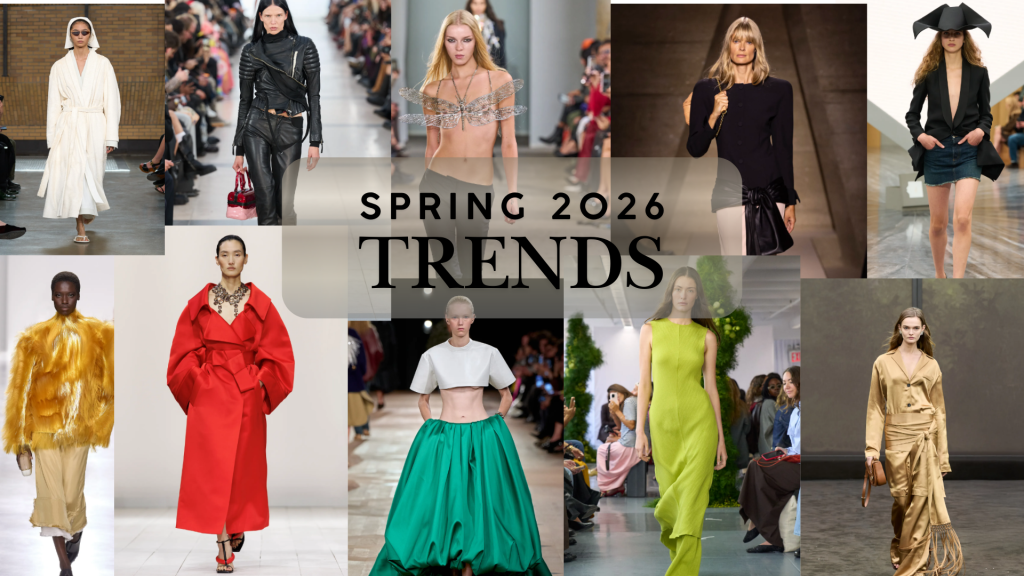
As someone who studied fashion merchandising at LIM College and spent years working in the industry, I live for this analysis. I’m here to decode why these trends matter, what cultural forces are driving them, and most importantly how to wear them.
I analyzed over 200 runway shows across all four fashion capitals to bring you this comprehensive trend report. These aren’t fleeting micro-trends that’ll disappear in three weeks—these are the movements that will define how we dress through spring and beyond.
In this report, you’ll discover:
- The 7 major trends dominating Spring 2026
- The cultural and design stories behind each trend
- Real-world styling advice for every aesthetic
Ready? Let’s dive in.
Trend #1: Heritage Reboot
Drop Waists, Proportion Play & The Return of Personality
Spring 2026 will be remembered as the season of change. Sixteen new creative directors stepped into roles at major fashion houses, and their debuts weren’t just collections; they were manifestos.
Matthieu Blazy left Bottega Veneta for Chanel, where he presented drop-waist dresses, cropped jackets, and modern takes on the classic pencil skirt. The silhouettes sat low on the hip, creating that coveted fit-and-flare proportion that flatters almost every body type. His use of tweed—Chanel’s signature fabric—felt fresh, not dusty. His use of tweed, Chanel’s signature fabric, felt fresh and inspiring.
Dario Vitale’s debut at Versace was the talk of the town, as they say. He staged super-exaggerated shoulders, plunging necklines, and body-conscious silhouettes on the runway that echoed sex and power in equal measure. The collection was a reminder that Versace has always been about unapologetic glamour.
Louise Trotter brought her minimalist sensibility to Bottega Veneta, while Simone Bellotti at Jil Sander presented clean, architectural pieces that felt almost meditative. Across the board, these designers weren’t just creating clothes; they were reimagining entire brand identities.
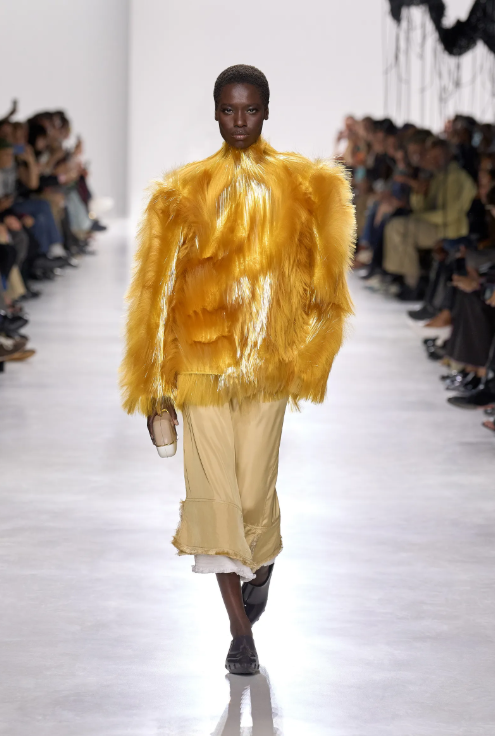
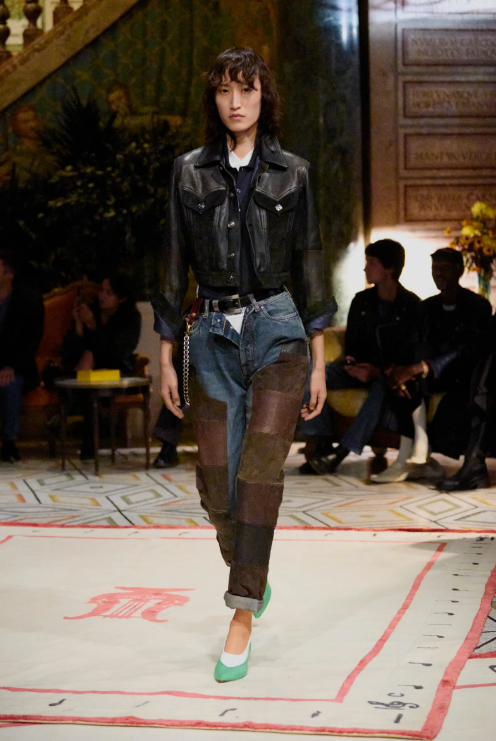
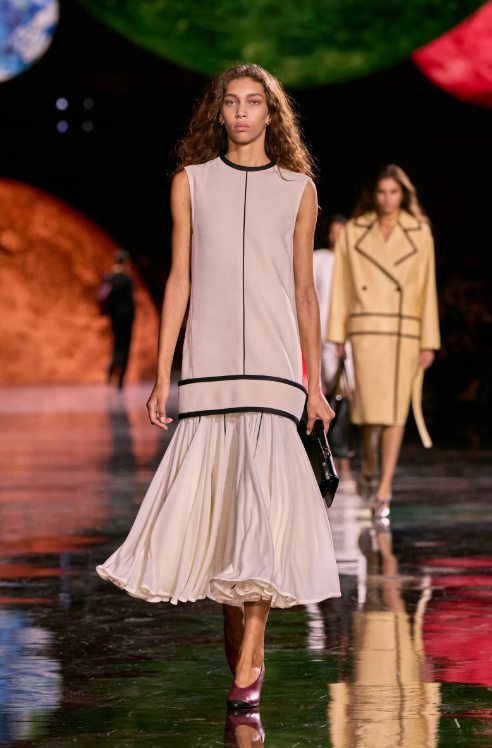
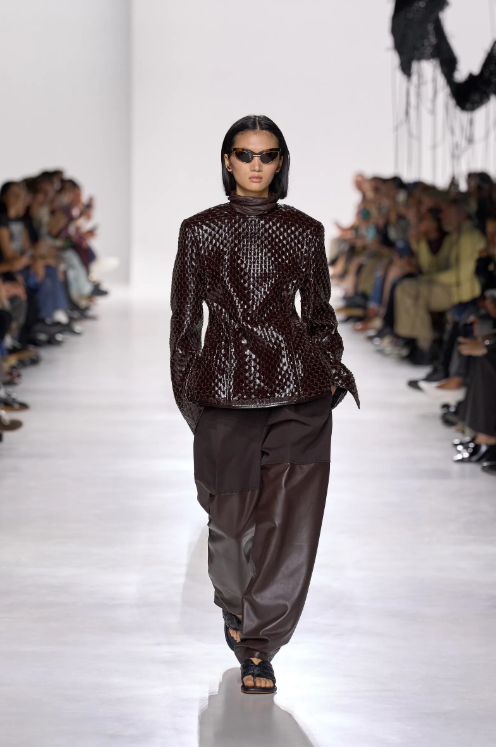
From a merchandising perspective, this trend is gold. By lowering the waistline, suddenly a simple dress becomes architectural. Its technical skill meets wearability. Drop-waist silhouettes work across price points. You will see versions at Zara and at Chanel. The fit-and-flare shape is inherently flattering, which means high conversion rates. Expect to see this silhouette dominate contemporary and designer floors through 2026.
HOW TO WEAR IT NOW
- Start with a drop-waist dress: Look for styles where the waist hits at your hip rather than your natural waist. Midi and maxi lengths are most flattering.
- Try the cropped jacket + pencil skirt combo: The key is proportion; cropped on top, elongated on bottom.
- Experiment with fit-and-flare: Any dress or top that’s fitted through the chest/shoulders then flares at the hips qualifies.
- Layer wisely: If the drop waist feels too ’20s flapper, ground it with modern accessories—chunky sneakers, structured bags, minimal jewelry.
- Play with rise: Low-rise skirts and pants are having a moment, but high-rise is still equally valid. Choose what makes YOU comfortable.
Trend #2: Chartreuse Moment
Fashion’s Antidote to Darkness. The Optimism Shade.
If you’re tired of burgundy and chocolate brown, the colors that dominated 2025, I have good news! A new color is here. Chartreuse, the electric yellow-green shade, is Spring 2026’s breakout color.
Chartreuse made its debut on Tibi’s runway at New York Fashion Week, which featured chartreuse separates that immediately set the tone. Next up, in London, we saw Burberry, Erdem, and Simone Rocha all prominently feature the shade. In Paris, it had made its rounds from Saint Laurent’s silk slip dresses, Valentino’s tailored suits, to Balenciaga’s leather separates and Alaïa’s sculptural pieces.
What made it work was the variety. Chartreuse appeared in different textures, such as silk, leather, knit, and technical fabrics. It was styled both as statement pieces and as subtle accents. Some designers went monochrome head-to-toe, while others used it as a pop against neutrals.
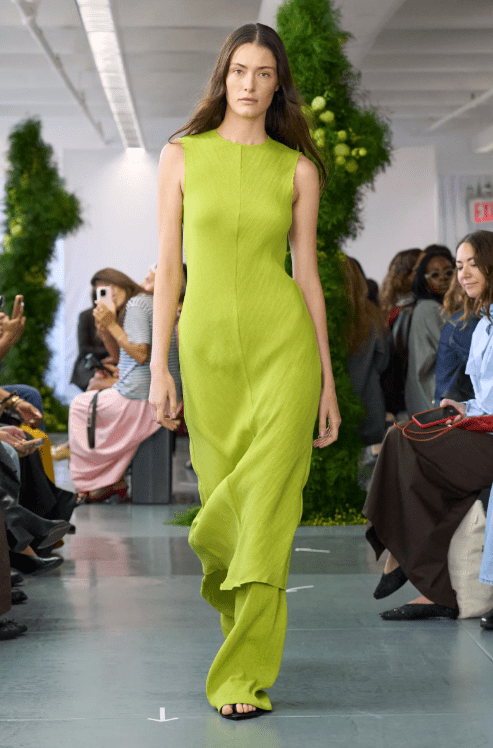
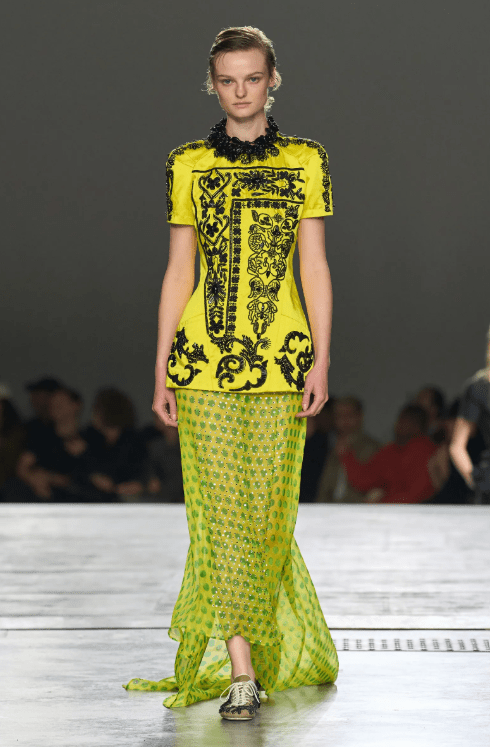
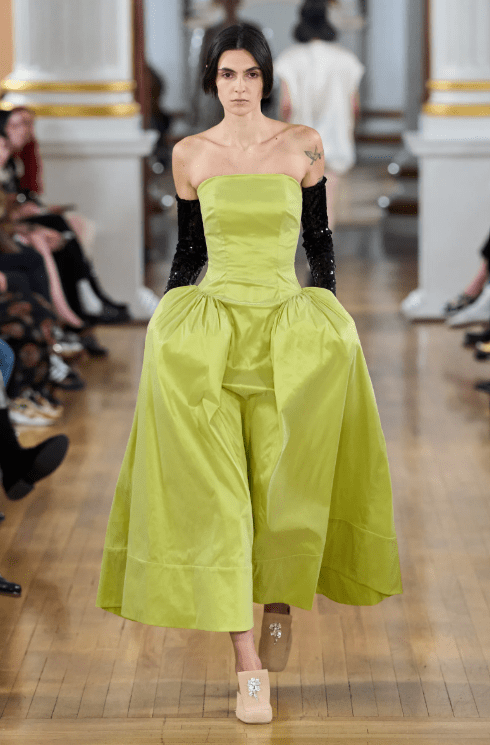
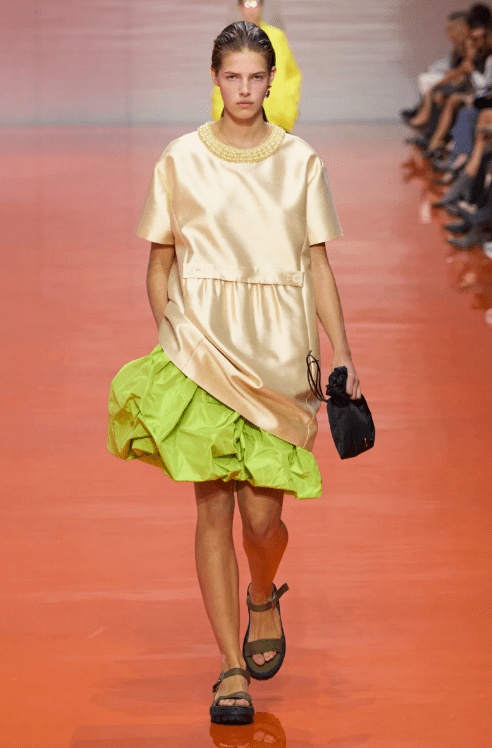
Color is never random in fashion. Designers choose palettes based on cultural mood, and chartreuse was chosen specifically for its bright, optimistic, slightly acidic green tone, signaling a desire for renewal.
After years of muted earth tones (which reflected pandemic fatigue, global uncertainty, and quiet luxury aesthetics), fashion is craving brightness again. But not just any bright. Chartreuse isn’t soft or sweet. It’s bold, unexpected, slightly challenging, and it demands attention.
Chartreuse represents the “new optimism” color story. It’s not your traditional pastel, which is expected for the Spring season, nor is it a primary yellow. It’s fresh and energizing but sophisticated enough for high fashion.
Pantone named Cloud Dancer (a more balanced white) the 2026 Color of the Year, but the runways told a different story.
Bright colors always create buzz, which is valuable for both editorial coverage and social media engagement. From a retail perspective, chartreuse accessories will be the entry point for most consumers—bags, shoes, scarves. Apparel in this shade will sell best in knits and silk. Expect this color to peak in spring, then transition to softer greens by summer. It’s a seasonal play, not an evergreen investment.
HOW TO WEAR IT NOW
- Start small: If you’re color-shy, begin with accessories—a chartreuse bag against an all-black outfit is instantly chic.
- Pair with neutrals: Black, white, grey, navy, and denim all work beautifully with chartreuse.
- Try monochrome: If you’re bold, chartreuse head-to-toe (different textures) looks surprisingly sophisticated.
- Layer with other brights: Chartreuse + hot pink or chartreuse + cobalt blue creates an unexpected color-blocking moment.
- Consider your undertones: Chartreuse is universally flattering, but cooler-toned versions (more green) suit cool undertones, while warmer-toned versions (more yellow) suit warm undertones.
Trend #3: Hybrid Dressing
When T-Shirts Meet Couture
This might be the most exciting and most wearable trend of the season. Also, my personal favorite! Spring 2026 completely demolished the rules of occasion dressing by pairing basic, everyday pieces with ultra-luxe, couture-level items. I just love the juxtaposition of hybrid dressing.
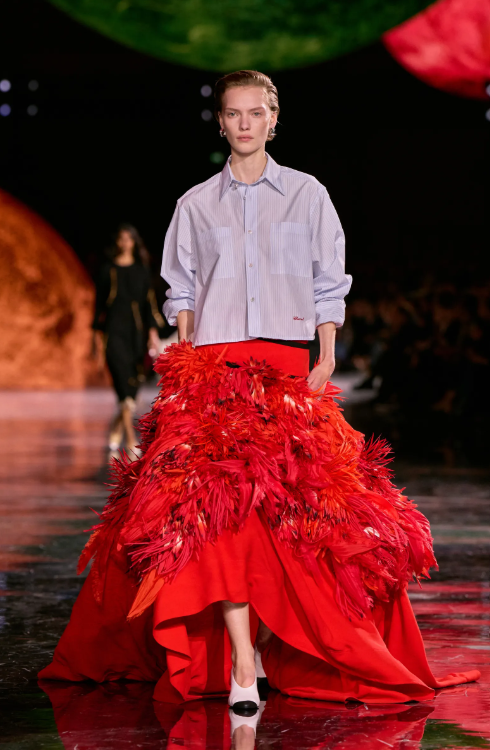
From models wearing simple white T-shirts with enormous feather skirts at Chanel, to Louise Trotter at Bottega Veneta pairing chunky knit sweaters with sleek, architectural skirts made from recycled fiberglass. The contrast was striking and inspiring all at once. Besides the t-shirt, the other standout item in this trend is the track jacket. Picture it paired with lace trim shorts or a statement skirt. Workwear was also reimagined here. It ranged from tailored button-down tops with a bralette on top to jeans with a skirt attached. This is all about layers, mixed textures, and more layers.
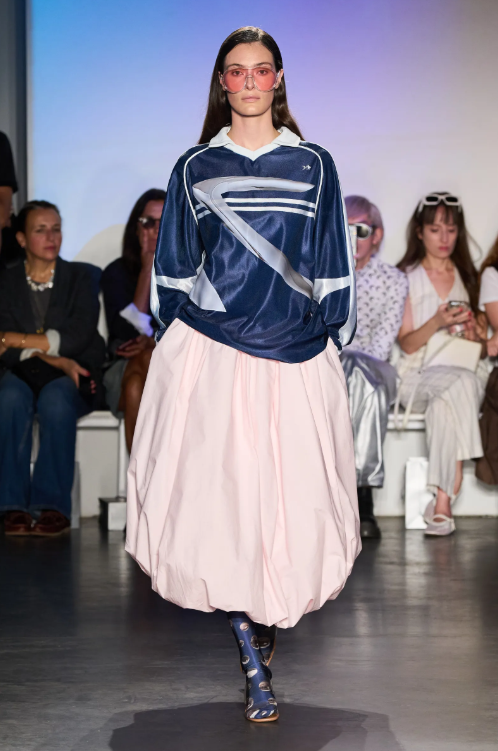
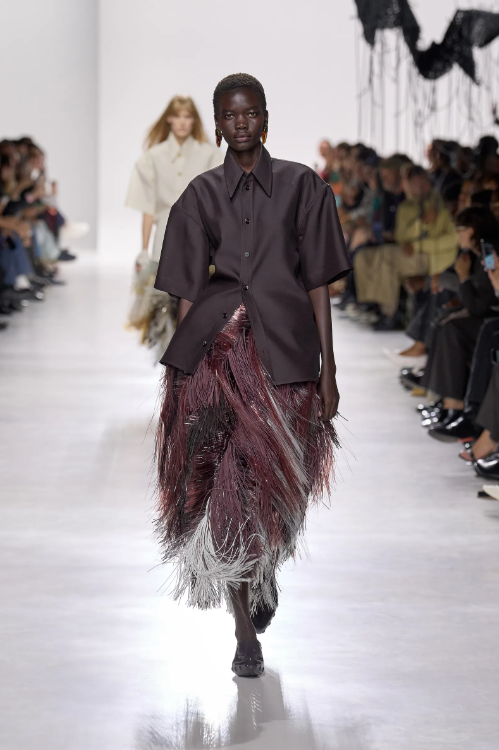
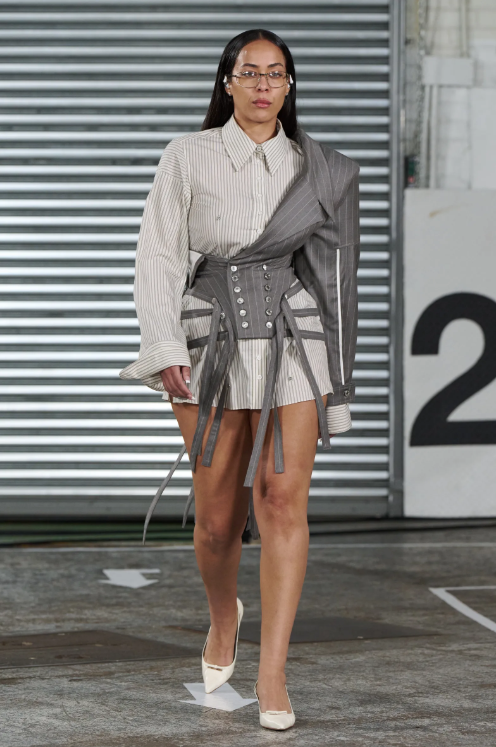
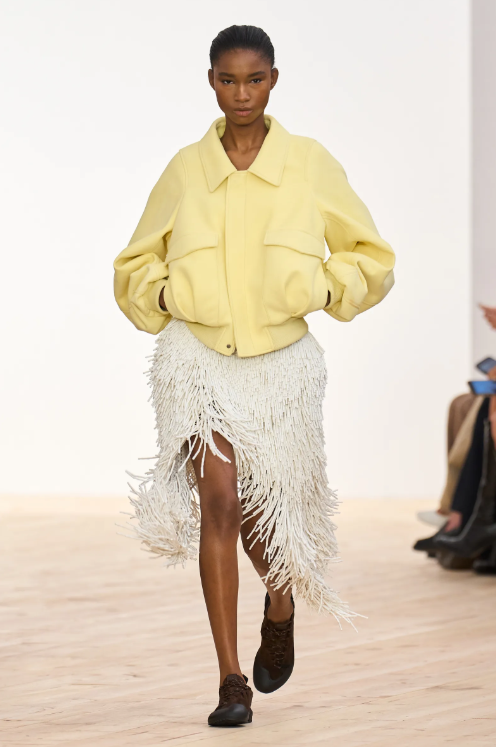
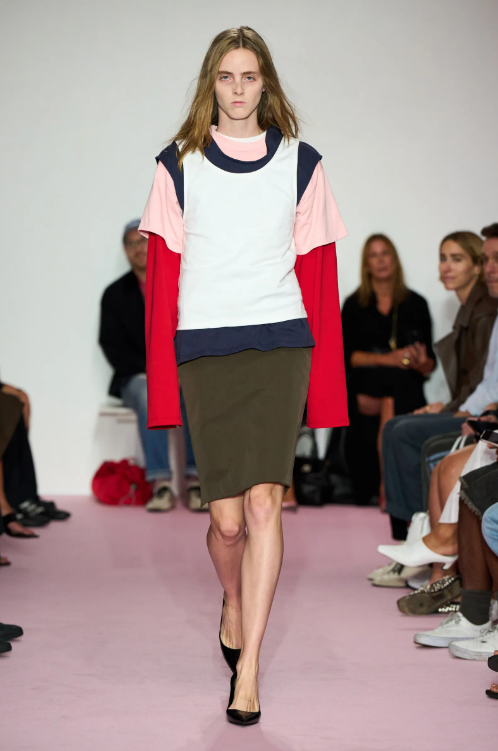
The pandemic fundamentally changed how we think about clothing. The strict divisions between “casual” and “formal,” “day” and “night,” “workwear” and “weekend”. All those categories feel increasingly arbitrary.
This trend speaks to the democratization of luxury. You can pair a basic white t-shirt with a luxury designer statement skirt. Designers are suggesting that value isn’t about price tags, it’s about how you put things together. It’s style over status. In my opinion, it’s always about style and how you wear it, not what you are wearing.
This trend speaks to the democratization of luxury. By pairing a $10 white tee with a $2,000 skirt, designers are suggesting that VALUE isn’t about price tags—it’s about how you put things together. It’s style over status.
From a design perspective, this trend showcases technical skill. Making a T-shirt look elevated requires perfect fit, fabric quality, and styling. Making couture pieces look wearable requires restraint. It’s harder than it looks.
Hybrid dressing allows consumers to wear more of their closet and wardrobe. Instead of wearing that expensive skirt you bought for one event, you can now wear it five different ways by changing the top. It pushes you to put your cocktail attire in rotation.
For retailers, this means cross-category merchandising opportunities. Visual merchandising teams will style basics with statement pieces to show customers the possibilities.
HOW TO WEAR IT NOW
- Master the T-shirt + statement skirt formula: White tee + sequin maxi skirt. Grey tee + leather midi skirt. Black tee + feathered cocktail skirt.
- Invest in quality basics: Your T-shirts need to be PERFECT—good fit, substantial fabric, flattering neckline. Everlane, COS, and James Perse make excellent options.
- Play with texture contrast: Soft cotton with stiff leather. Chunky knit with slippery silk. The juxtaposition creates visual interest.
- Style up OR down: The same outfit can go to brunch (sneakers, minimal jewelry) or dinner (heels, statement earrings).
- Don’t overthink it: If it feels too casual, add one elevated element—a structured blazer, designer bag, or bold lip.
Trend #4: 80s Power Redux
The Shoulder Pad is Your Armor
The 1980s are back, and this time they brought receipts. Spring 2026 was dominated by exaggerated shoulders, sharp pencil skirts, bold silhouettes, and unapologetic power dressing.
Anthony Vaccarello at Saint Laurent showed tailored blazers with strong shoulders paired with leather pencil skirts. Chloé’s Chemena Kamali presented party dresses with puffed sleeves and structured shoulders. Stella McCartney went full corporate glamour with boxy blazers and wide-leg trousers.
Even brands not typically associated with power dressing got in on it. Simone Rocha added structured shoulders to her romantic, feminine pieces, creating an interesting tension between soft and strong.
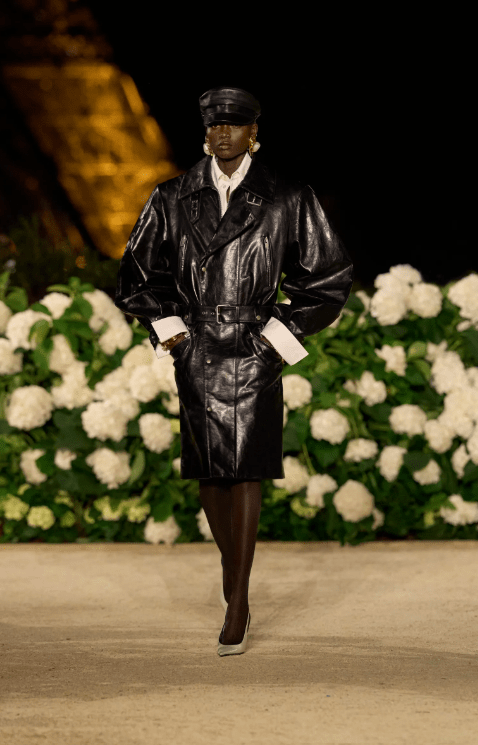
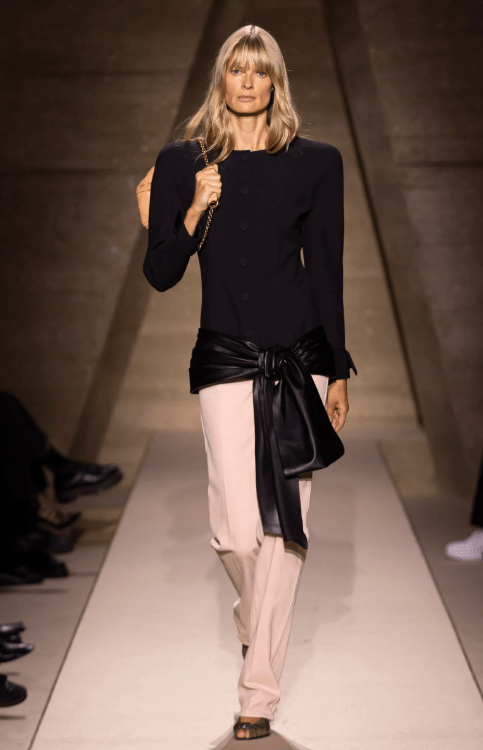
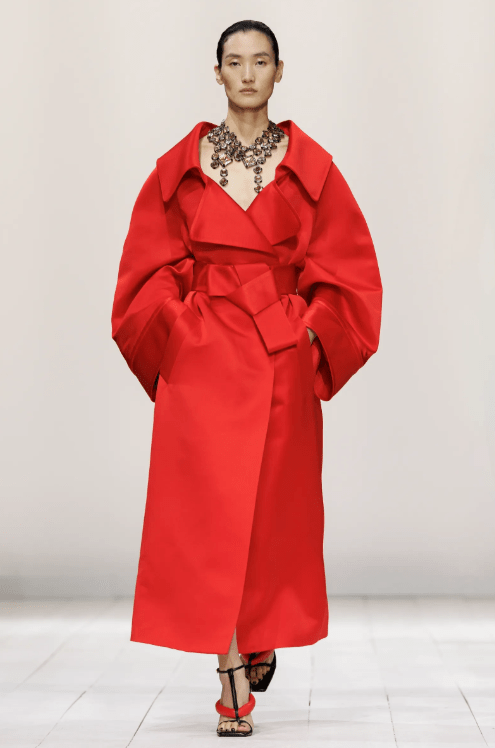
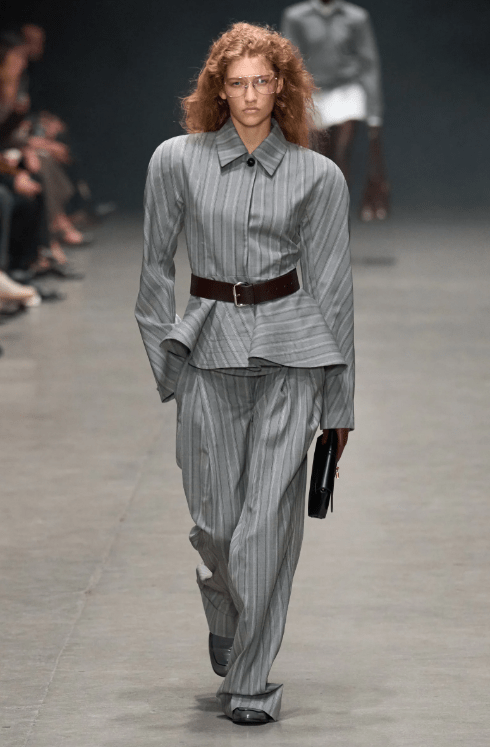
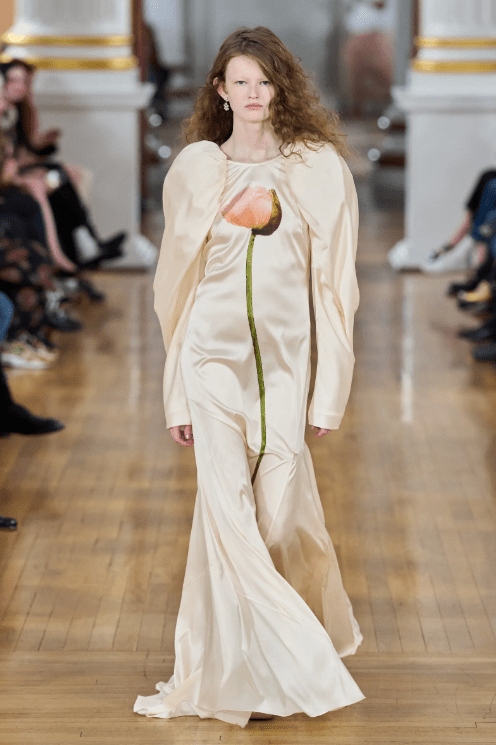
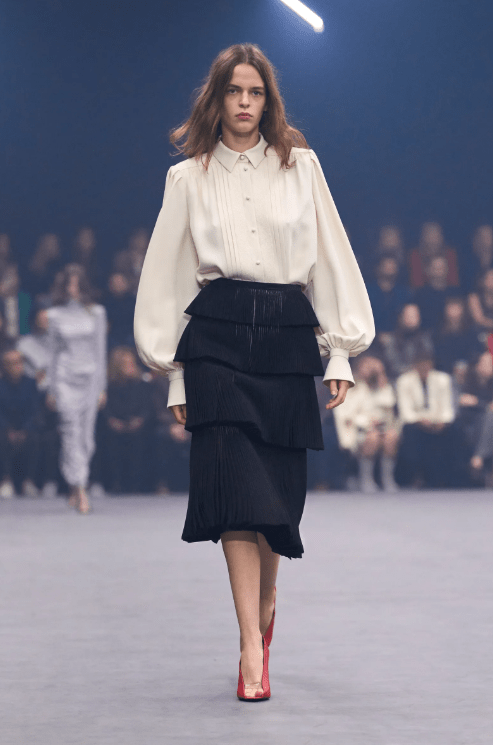
Fashion has always been political, whether designers admit it or not. The original 1980s power dressing movement happened because women were entering corporate America in unprecedented numbers. They needed clothing that commanded respect, that took up space, that said: “I belong here.”
Today, we’re experiencing similar battles for equality, space, and power. Whether it’s in boardrooms, political offices, or daily life, women are still fighting to be taken seriously. Fashion is responding by giving us the tools again.
Shoulder pads aren’t just aesthetic—they’re functional. They literally broaden your frame, make you look larger, more commanding. It’s body language through clothing. When you wear broad shoulders, you’re saying: I’m here. I matter. Take me seriously.
Power dressing is always commercially viable because it serves a real need. People want to feel confident, especially in professional settings. The ’80s aesthetic also has built-in nostalgia appeal (anyone who lived through it or wishes they did), plus it photographs beautifully for social media. It’s bold, graphic, and instantly recognizable.
HOW TO WEAR IT NOW
- Start with a structured blazer: Look for shoulder pads (even subtle ones) and a strong silhouette. Oversized is fine, but it should still have structure.
- Pair with pencil skirts: High-waisted or low-rise, depending on your preference. The key is creating that powerful, tailored look.
- Add power accessories: Think bold earrings (oversized hoops or geometric shapes), structured bags, statement belts.
- Don’t fear volume: This trend is about taking up space. Embrace it.
- Make it YOUR version: You don’t need to go full Dynasty. Even a subtle shoulder pad in an otherwise relaxed blazer reads as “power dressing 2.0.”
Trend #5: Reveal & Conceal
One Opening, Maximum Impact
Cutouts and skin-baring fashion aren’t new, but Spring 2026 approached them with surgical precision. Instead of revealing everything everywhere, designers focused on strategic openings and deliberate reveals.
Tom Ford showed dresses with plunging necklines paired with a single side cutout. The restraint made it more powerful, not less.
Alexander McQueen revived the iconic “bumster” low-rise pants from Lee McQueen’s archive, showing skin at the lower back. Hermès, a house known for conservatism, showed low-cut leather bustiers under tailored jackets.
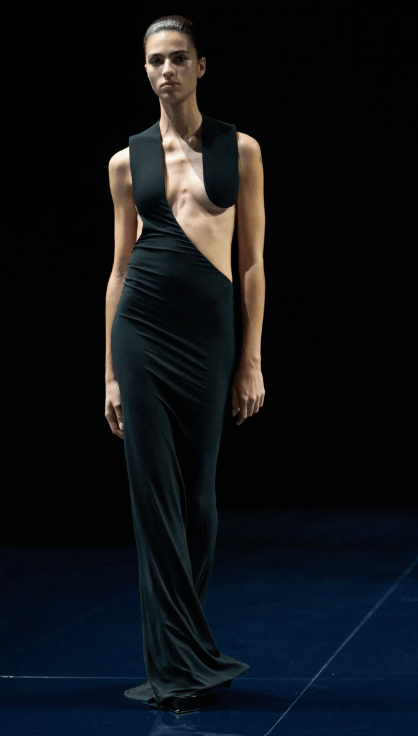
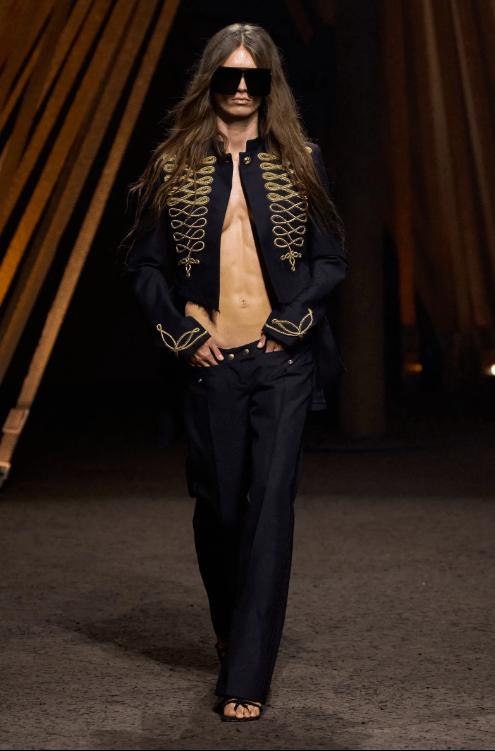
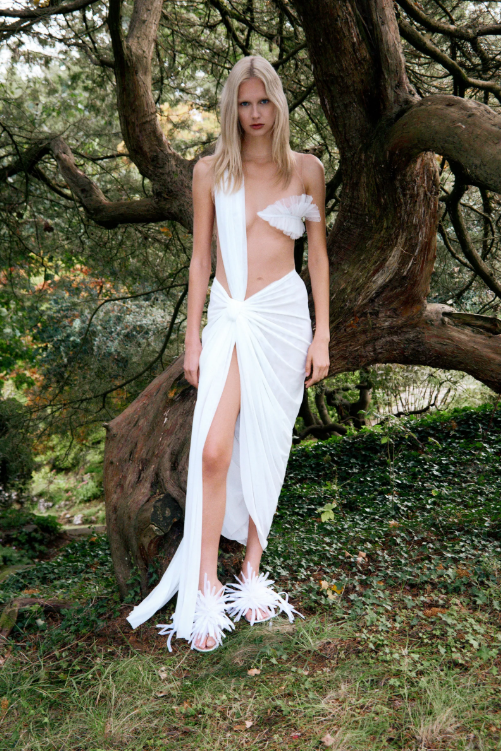
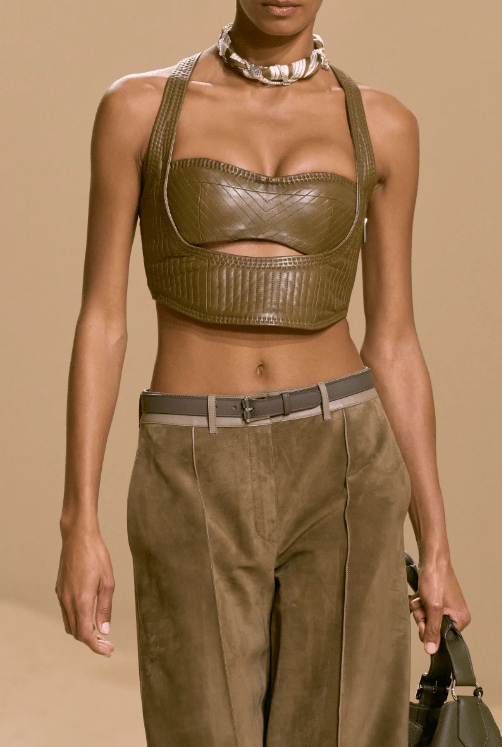
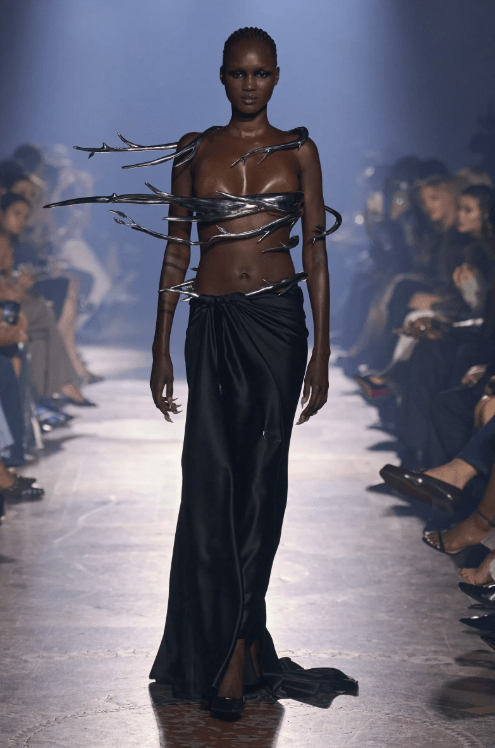
Reveal and conceal evolve conversations around the male gaze, body autonomy, and sensuality on your own terms. There’s a difference between dressing sexy because society expects it and dressing sexy because YOU want to.
Strategic cutouts say: I’m choosing exactly where and how much skin to show. It’s intentional. It’s controlled. It’s powerful.
From a design perspective, strategic cutouts require technical skill. It’s not just cutting holes in fabric; it’s engineering the garment so it stays in place, flatters the body, and doesn’t look cheap. It’s truly architecture.
Strategic cutouts are more commercially viable than extreme cutouts because they’re wearable for more people in more contexts. A dress with one side cutout can be worn to work (under a blazer), to dinner, or to events. A dress cut out everywhere has limited versatility.
This trend also works across body types because you choose where to reveal. Confident about your shoulders? One-shoulder neckline. Confident about your back? Backless design. It’s customizable sensuality.
HOW TO WEAR IT NOW
- Choose your comfort zone: Only reveal what YOU want to reveal. There’s no pressure.
- One opening only: Resist the urge to do cutouts everywhere. Pick one area—shoulders, back, side, midriff—and focus there.
- Layer strategically: A blazer over a backless top. A slip dress over a bra. Layering gives you control.
- Consider the occasion: Midriff cutouts for weekend, one-shoulder for events, backless for date night.
- Invest in good undergarments: Sticky bras, seamless underwear, body tape—these make cutout pieces wearable.
Trend #6: Armor & Protection
Fashion Responds to Uncertainty
Designers responded to global anxiety–political instability, climate concerns, and security fears by putting armor on the runway.
Yuhan Wang showed a knight’s breastplate as outerwear. Not metaphorical. Literal armor. Burberry and Chopova Lowena both had armor-inspired structures, metallic finishes, and protective silhouettes.
But the trend extends beyond runway theatrics. WGSN—the leading trend forecasting agency—has identified something they’re calling “guardian design”: fashion that incorporates practical security features while still looking chic.
This means bags with anti-theft technology, RFID-blocking pockets, slash-resistant materials, built-in carabiners, and low-light reflective details. Clothing with hidden inner pockets. Accessories designed to protect your privacy and property.
The genius is that designers are making security look stylish. These aren’t tactical vests; they’re beautifully designed pieces that happen to have protective features.
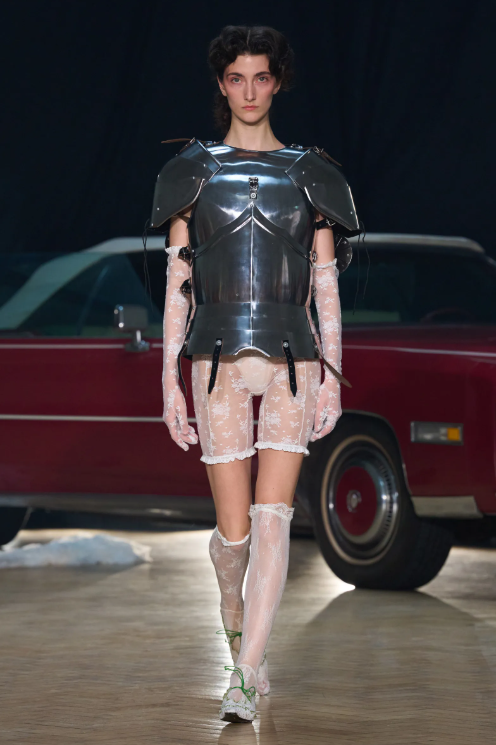
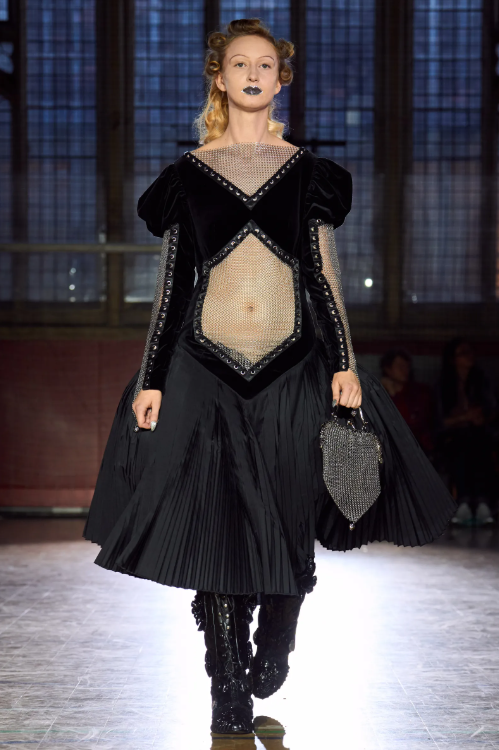
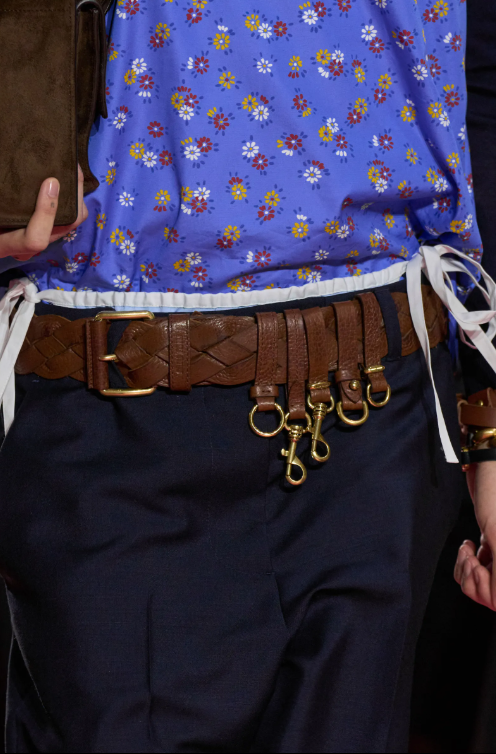
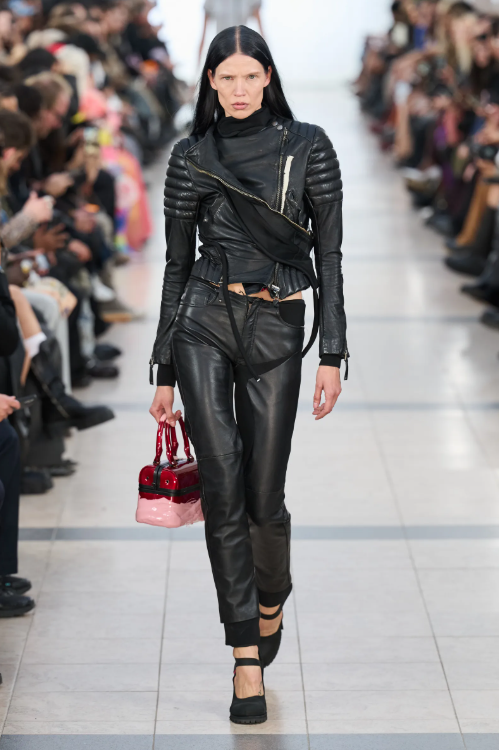
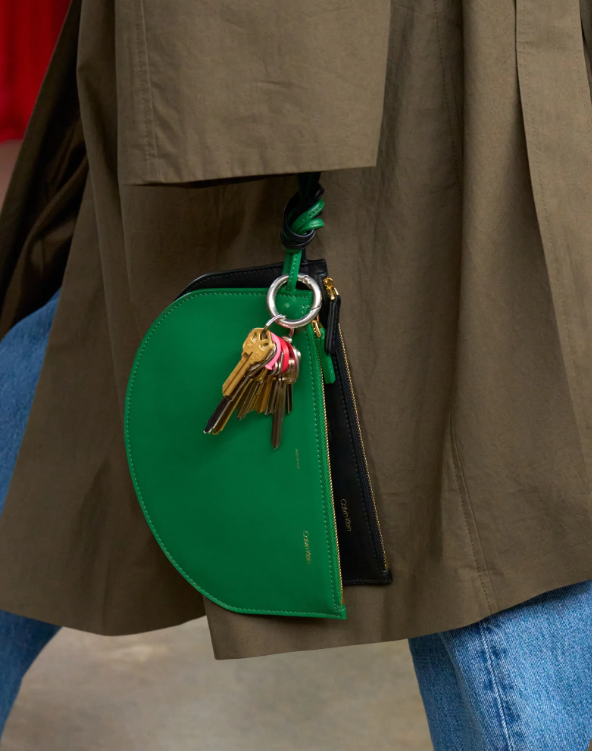
Fashion has always been a mirror of society. In uncertain times, we see protective elements emerge in design. After 9/11, there was a brief moment of utilitarian, military-inspired fashion. During economic recessions, hemlines drop (the “hemline index” theory). Fashion responds to how we feel.
Right now, people are anxious. Global instability, rising crime rates in cities, privacy concerns, digital security—these are real issues affecting real people. Fashion is responding by offering both psychological comfort (armor imagery) and practical solutions (anti-theft bags).
It’s also about empowerment. Wearing armor—even symbolically—can make you FEEL more protected, more confident.
Armor & Protection is brilliant merchandising because it adds value beyond aesthetics. A bag that looks good AND protects your belongings from theft? That’s worth a premium. Brands can market both style and safety.
This trend also appeals to travelers, urban dwellers, and anyone who’s ever felt vulnerable. That’s a huge market. Expect to see increased messaging around “smart design” and “protective fashion.”
HOW TO WEAR IT NOW
- Start with accessories: Anti-theft bags are the easiest entry point. Look for RFID-blocking pockets, locking zippers, and slash-resistant straps.
- Try armor-inspired jewelry: Metallic cuffs, chain necklaces, and structural earrings all nod to the trend without being literal.
- Add structure: Even if it’s not actual armor, structured jackets, breastplate-style tops, and metallic finishes reference the protective aesthetic.
- Prioritize function: If you travel frequently or live in a city, guardian design isn’t just trendy—it’s practical.
- Don’t overthink it: You don’t need a literal breastplate. The trend is more about FEELING protected and being intentional about security.
Trend #7: Monochrome Mastery
The Power of Simplicity
While some designers went loud with color and pattern, others doubled down on monochrome sophistication. All-black. All-white. Total tonal dressing.
Anthony Vaccarello opened Paris Fashion Week at Saint Laurent with a stunning series of black-and-white looks. Leather jackets styled with matching pencil skirts—sharp tailoring in deepest black. The palette was minimal, but the impact was maximum.
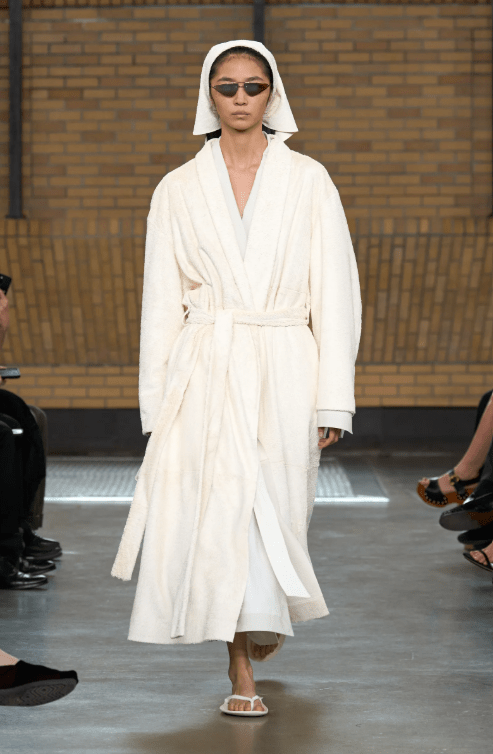
Veronica Leoni’s sophomore collection at Calvin Klein Collection started with an elegantly simple off-white mini dress paired with a matching headscarf. The entire show was a study in tonal dressing. Not boring, not expected, but considered and intentional.
Toteme, a brand built on Scandinavian minimalism, presented an entire collection in black and white. Every look was a lesson in how to make “simple” look expensive.
Emerging designer Colleen Allen showed one of the season’s most memorable pieces: a black, backless evening dress that was pure elegance.
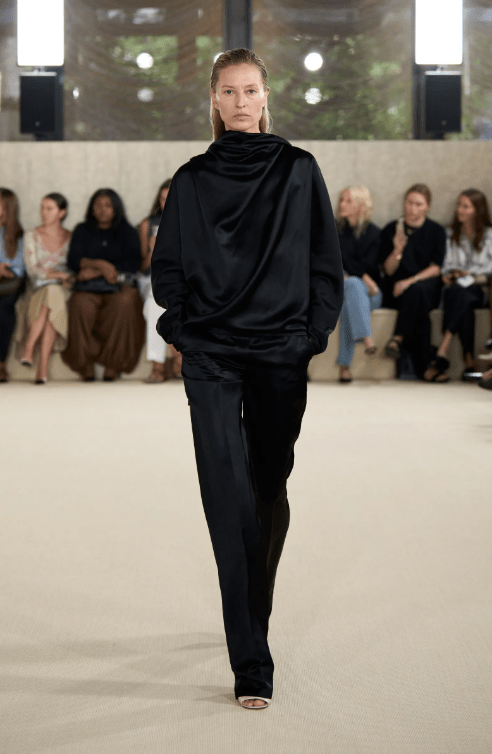
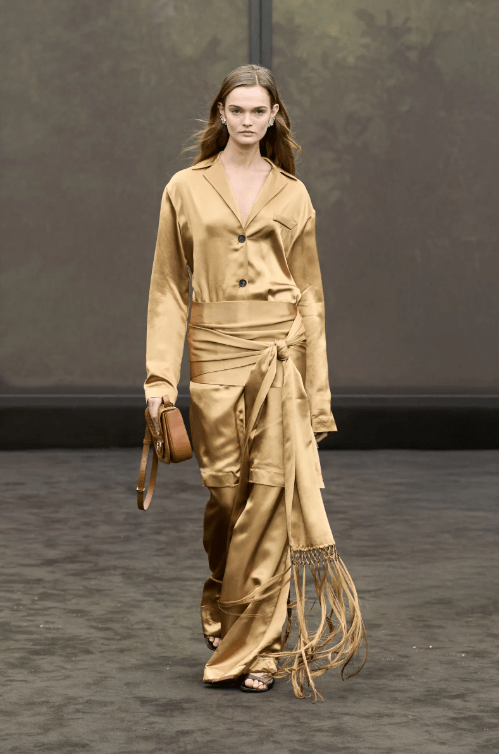
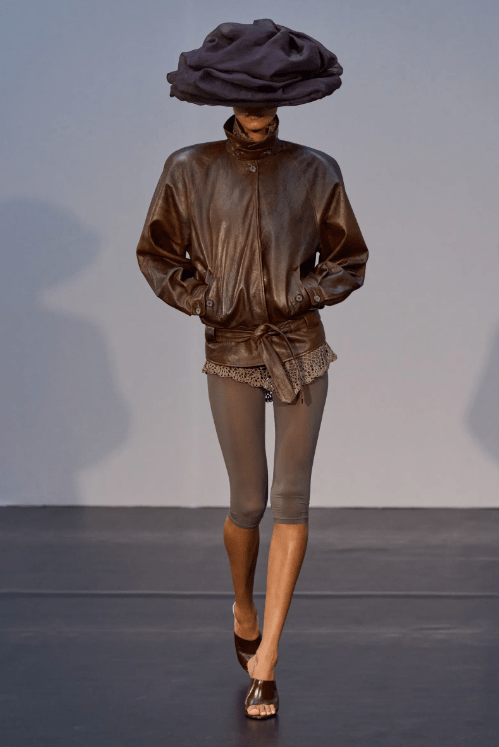
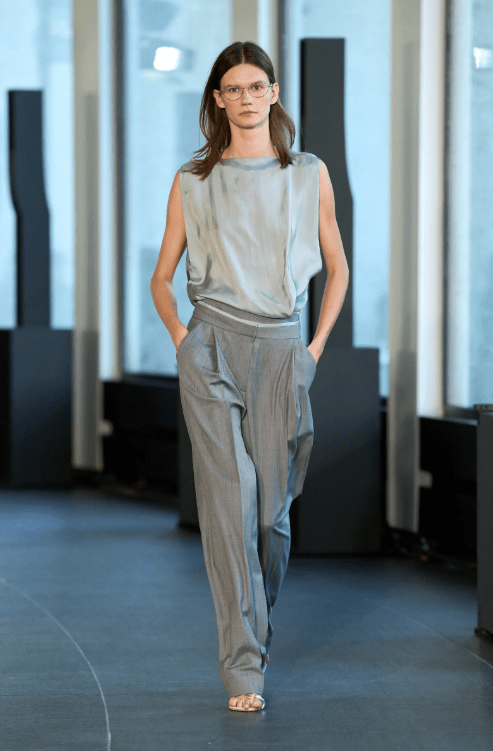
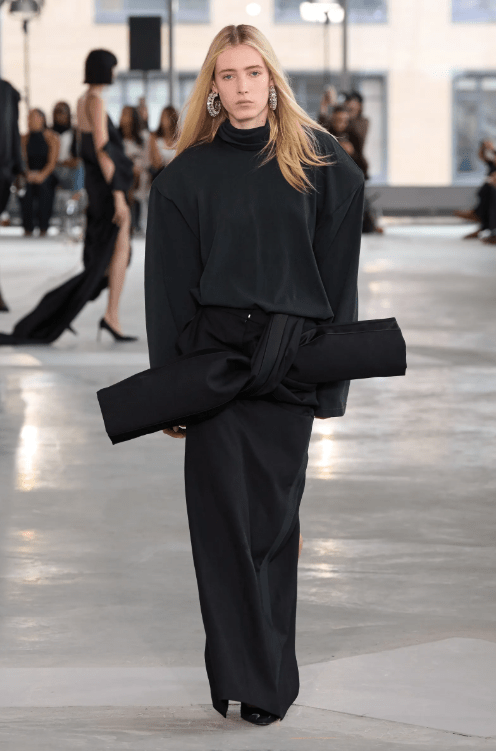
After years of maximalism, pattern mixing, and color saturation, there’s a renewed appetite for simplicity done exceptionally well.
Monochrome dressing isn’t about being boring; it’s about being intentional. It requires confidence to strip away distractions and let cut, silhouette, and quality speak for themselves.
This trend also ties to the “stealth wealth” and “quiet luxury” movements that have dominated recent years. But where quiet luxury can sometimes feel prescriptive (only certain brands, only certain pieces), monochrome dressing is accessible. Anyone can wear all-black. The question is: how well do you do it?
Monochrome dressing is incredibly commercial because it’s:
- Universally flattering (all-black is famously slimming)
- Easy to style (everything matches)
- Timeless (won’t look dated in photos)
- Versatile (works for any occasion)
- Accessible (available at every price point)
For retailers, monochrome basics are wardrobe essentials. They never go on sale, they restock constantly, they’re the foundation of any profitable ready-to-wear business.
HOW TO WEAR IT NOW
- Start with one color: All-black is easiest, but all-white, all-grey, all-navy, or all-beige all work.
- Mix textures: The key to monochrome not looking flat is texture variety. Silk + leather + knit in the same color family creates depth.
- Focus on fit: When you remove color as a distraction, fit becomes everything. Make sure pieces actually fit well.
- Add subtle details: White-on-white embroidery, tonal accessories, texture through pleating or draping.
Choose quality over quantity: One perfect black dress beats ten mediocre ones.
Spring 2026 is fashion finding its voice again. After years of playing it safe with quiet luxury, logo-free minimalism, and pandemic loungewear, the runways are saying: It’s okay to have a point of view again. It’s okay to take risks. It’s okay to be SEEN.
The trends are diverse enough that there’s something for everyone. Minimalists have monochrome mastery. Maximalists have chartreuse. People who want substance have the new creative directors bringing real design innovation. People who want comfort have hybrid dressing making basics evening-appropriate.
But the through-line connecting all these trends is intentionality. Whether you’re wearing all-black or an 80’s look, the message is the same: I made a choice. This is how I want to present myself today.
That’s what I love about fashion. It’s not frivolous; it’s communication. What we wear tells the world who we are, or at least who we want to be in that moment.
My Top 3 Picks:
- Hybrid Dressing — Most wearable, most versatile, instantly makes your wardrobe work harder. Found Pine & Rose Track Jacket, Helsa The Silk Gazar Skirt with Drape
- Chartreuse — Most fun, most optimistic, easiest to incorporate through accessories. Poelle Debut Bag
- Reveal & Conceal — Most empowering, most modern take on sensuality. Grace Ling Peek Open Thigh Pants
What I’m Skipping: Honestly? Nothing. Even the trends that aren’t “me” are fascinating from a design perspective. That’s the beauty of fashion, you don’t have to wear everything to appreciate it.
Drop a comment below and let me know!

 Style Pioneer